
- COMMERCIAL GARAGE DOOR REPAIR
- GARAGE DOOR OPENER INSTALLATION
- GARAGE DOOR SPRING REPAIR
- SAME-DAY GARAGE DOOR REPAIR
- CUSTOM GARAGE DOOR
- GARAGE DOOR OPENER REPAIR
- GARAGE DOOR TRACK REPAIR
- GARAGE DOOR CABLE REPAIR
- GARAGE DOOR PANEL REPAIR
- LOCAL GARAGE DOOR REPAIR
- GARAGE DOOR REPLACEMENT
- NOISY GARAGE DOOR FIX
- GATE REPAIR
- GARAGE DOOR INSTALLATION
- GARAGE DOOR SECTION REPLACEMENT
- OVERHEAD GARAGE DOOR REPAIR
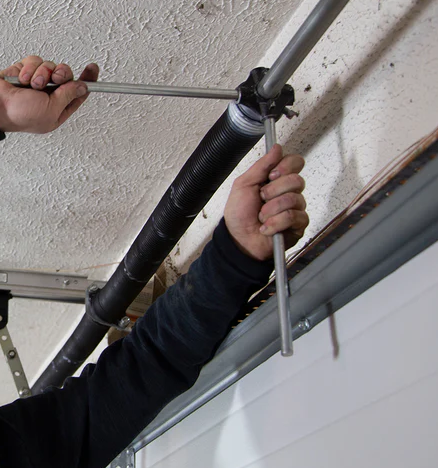
Top 5 Causes of a Broken Garage Door Spring (and How to Prevent Them)
A loud bang from the garage is a sound no homeowner wants to hear. Often, this noise signals a broken spring, leaving your car trapped and your daily routine disrupted. The springs are the workhorses of your garage door system, lifting hundreds of pounds day after day. Understanding why they fail is the first step toward preventing an unexpected breakdown. At Johnstown Ohio Garage Door Repair, we know that a little bit of knowledge can save you from a major headache and a sudden, inconvenient repair. Let’s explore the primary reasons these essential components break and what you can do about it.
Main Causes and Prevention Tips
While it may seem like a spring breaks without warning, failure is usually the result of long-term stress and environmental factors. By addressing these issues proactively, you can extend the life of your garage door system and avoid the surprise of a broken spring. Here are the most common culprits behind this frequent problem.
General Wear and Tear
This is the most common reason for a broken spring. Garage door springs are rated for a specific number of cycles, with one cycle being a full opening and closing of the door. The standard builder-grade springs are typically rated for about 10,000 cycles. If you use your garage door four times a day, you can expect those springs to last around seven years. Eventually, the constant tension and movement cause metal fatigue, and the spring simply wears out.
- Prevention: While you can’t stop wear and tear, you can upgrade to high-cycle springs. These are rated for 25,000, 50,000, or even 100,000 cycles, significantly increasing their lifespan. During your next replacement, ask a professional about installing extended-life springs.
Rust and Corrosion
Moisture is a major enemy of garage door springs. Rust can form on the coils, increasing friction and weakening the steel. This corrosion interferes with the smooth coiling and uncoiling action, creating a concentrated point of stress that can easily lead to a snap. Garages in humid climates or those that see a lot of rain and snow are particularly susceptible to this issue.
- Prevention: To prevent rust, spray your springs with a silicone-based lubricant a few times per year. This simple maintenance task repels moisture and ensures the coils move freely, reducing friction and prolonging their life.
By paying attention to these common causes, you can take simple steps to keep your garage door operating smoothly. Regular maintenance and awareness are key to avoiding the sudden failure of a broken spring. If you suspect your springs are aging or showing signs of wear, it’s always best to act before they break completely. For a professional inspection or a safe replacement, contact the experts at Johnstown Ohio Garage Door Repair to ensure your system is secure and reliable.